5 Questions Every Nurse Executive Should Ask After Reading “Leadership Without Evidence”

How much disruption in your nursing organization is due to decisions supported by weak evidence? Our study findings suggest that it could be substantial.
Health systems invest significant resources in graduate nursing education through tuition benefits, and other opportunities. These investments are often made with the expectation that advanced education helps build stronger nurse leaders, deeper evidence-based practice (EBP) capability, and better patient outcomes.
Yet, using an objective assessment of EBP competence, we found troubling gaps among acute care nursing leaders, with limited evidence of meaningful incremental gains associated with advanced degrees.
For nurse executives, this is more than an academic finding. It is a leadership capability and workforce investment question.
You can read the full Nursing Outlook article here
Nurse executives can address these findings by asking these 5 questions:
1. Are we rewarding credentials, or building real capability?
Many organizations assume graduate education naturally translates into stronger leadership readiness and stronger EBP capability. Degrees can reflect commitment and professional growth, but credentials alone do not guarantee that a leader can critically appraise evidence, lead implementation, or coach others through evidence-based change.
Strong systems do not assume capability based on credentials alone. They intentionally develop it.
2. How confident am I that my nurses completing graduate education are graduating with meaningful EBP competence?
Hospitals spend enormous sums supporting graduate education. That makes a fair question unavoidable: what is the return on that investment beyond recruitment value?
If organizations expect stronger EBP leadership capacity, they should examine whether partner programs are consistently producing it.
Strong systems become discerning consumers of education, not passive purchasers of credentials.
3. How much organizational disruption is caused by weak evidence decisions?
Many nurses experience change fatigue because interventions that are implemented without sufficient evidence review, leads to new changes being implemented within a year.
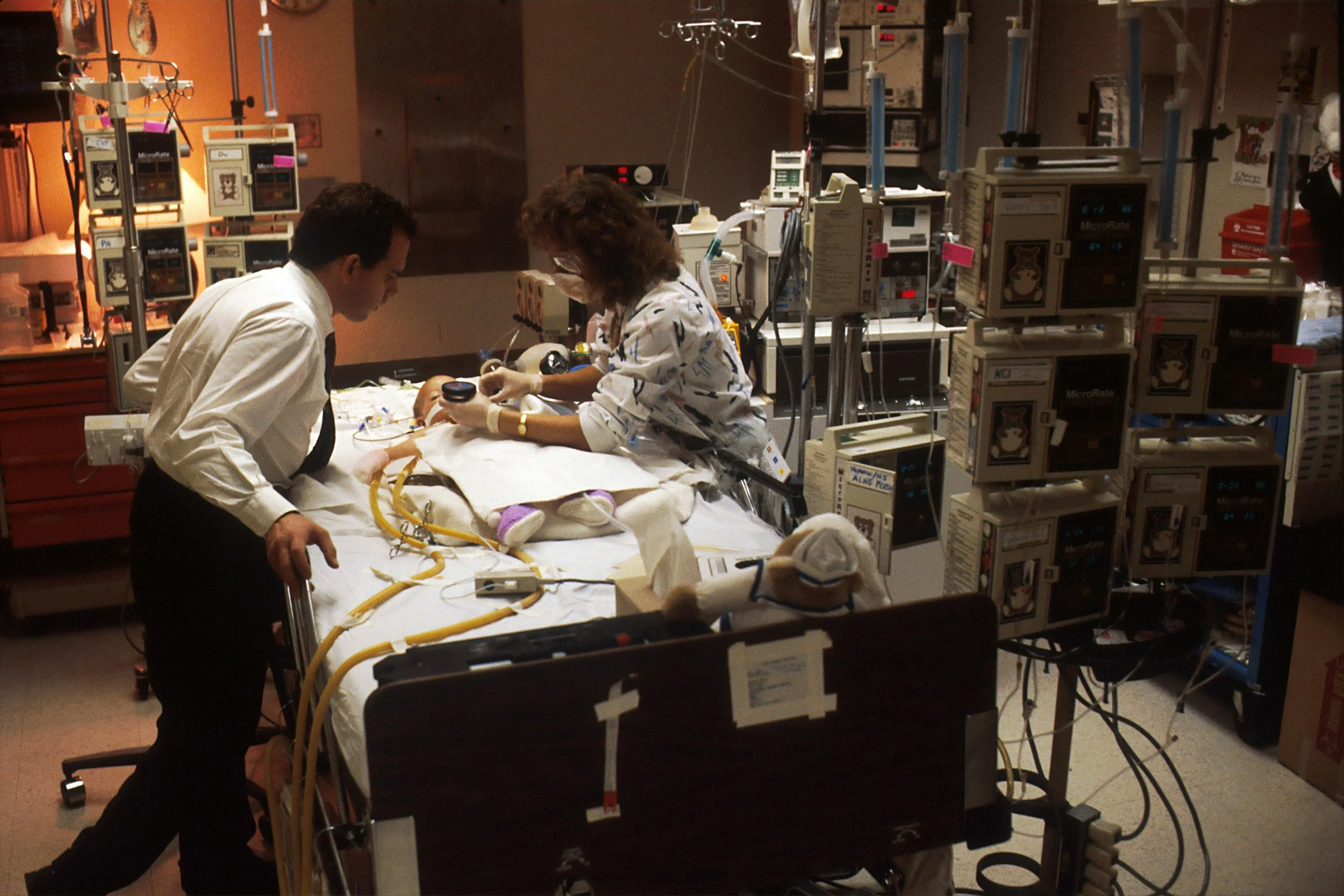
A familiar example is the “four eyes” skin assessment.
Many EBP projects have implemented this model as a pressure injury prevention strategy even though a look at the evidence reveals no strong research evidence to support it. For projects like this, the significant staffing burden required to implement it can inevitably lead to other interventions being tried because research does not show it to be effective.
When this pattern repeats across multiple initiatives, nurses experience constant change, added workload, change fatigue, and limited visible payoff. EBP competence helps organizations get closer to the right intervention the first time.
4. Can my leaders clearly articulate the difference between EBP, quality improvement, and research ?
In nursing, all of these problem solving approaches are valuable, but they serve different purposes. When leaders blur them together, projects become poorly scoped, outcomes become harder to measure, resources are misallocated, and staff become confused about goals.
Strong leaders know when to use each approach, and why.
5. Since this capability is urgently needed, how can we build strength quickly?
Healthcare leaders are already being asked to make rapid decisions about staffing models, quality initiatives, technology adoption, patient outcomes, and practice change. Those decisions should all be informed by high quality evidence.
Waiting for capability to improve organically through time, experience, or future degrees may be too slow.
Strong systems accelerate development through focused leader EBP training, nurse scientist consultation, real-time evidence support for strategic decisions, mentorship tied to active initiatives, role-based expectations and accountability, and practical coaching.
Final Thought: Organizations that treat EBP as leadership infrastructure, rather than an optional “academic” skillset, will move faster, waste less effort, reduce change fatigue, and achieve stronger patient outcomes.
It’s a competitive advantage.
If your organization is ready to build practical EBP capability for leaders and teams, we help health systems do exactly that.
Explore our EBP services here. We’d love to hear from you.
Keep Leading!